
This is a deceptively simple moment

The first phase of scaffolding is coming down at Bradby Hall. And what’s being revealed is the result of a lot of careful work.
For a project like this, the visible progress is only part of the story.
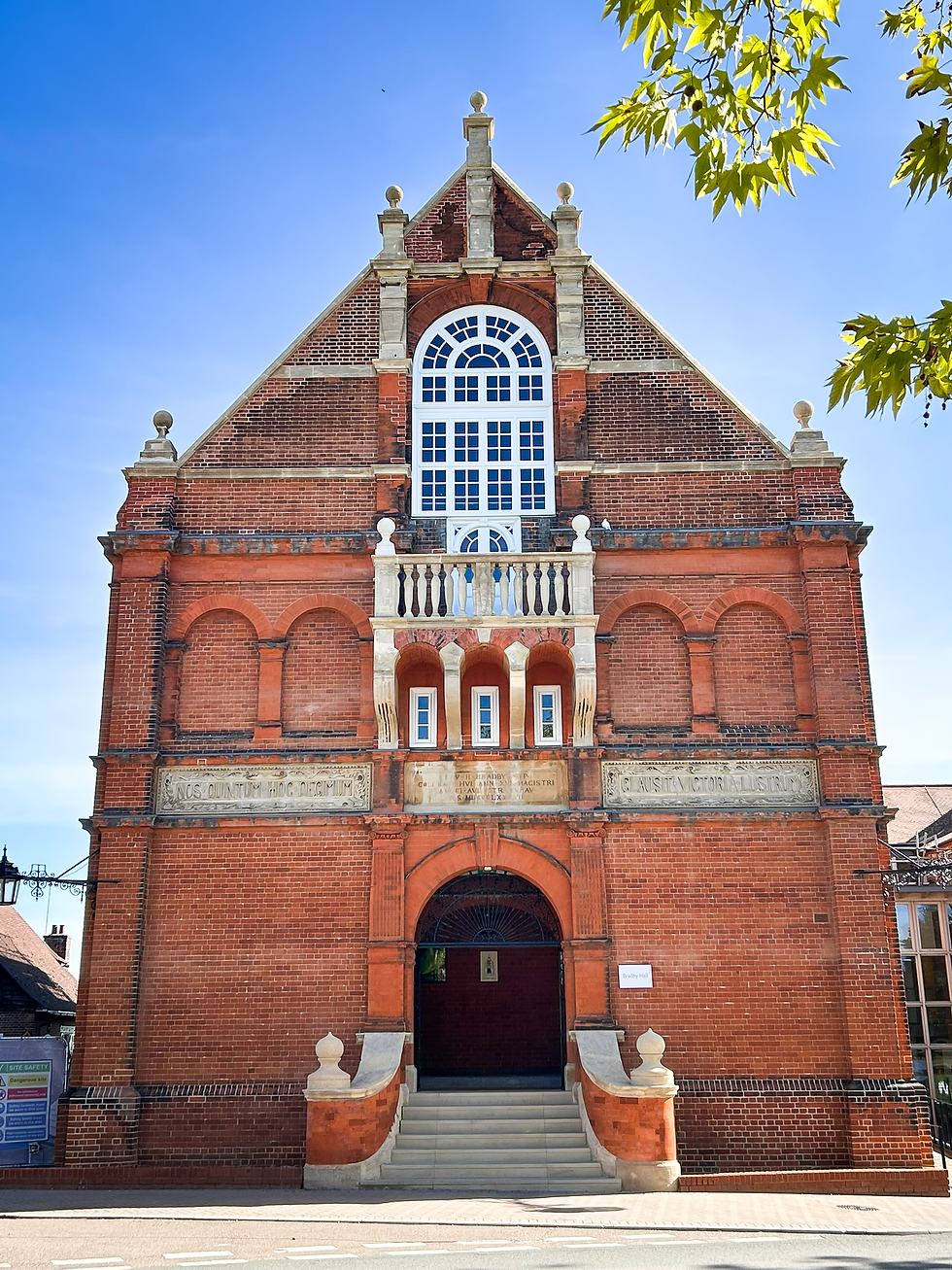
Working with a Grade II listed building of this scale and complexity means making decisions based on the building itself — understanding its construction, its history and its significance, and responding carefully as existing fabric is exposed.
That’s why our approach at Bradby Hall has always been conservation, not restoration.
We’re not trying to make the building look new or recreate an idealised version of its past. We’re retaining historic fabric wherever possible, repairing rather than replacing, and making considered interventions where they are necessary to secure the building’s future.
That approach depends on collaboration.
We’ve built a strong working relationship with the main contractor, which has been particularly valuable as the works have progressed and the building has revealed its complexities. Working together on detailed solutions has allowed conservation, buildability and practical delivery to be considered at the same time — to the benefit of the project.
It has also been central to our relationship with the conservation officer.
Careful preparation and well-considered information, combined with early and constructive dialogue, meant we secured listed building consent at the first submission.
For us, that is an important part of architectural work on historic buildings: not simply producing a design, but understanding the building, communicating the reasoning behind the proposals and building the relationships needed to make them work.
Now the scaffolding is coming down, we can start to see the results.
Conservation in practice — carefully considered, collaboratively delivered, and designed to give an important historic building a future.
#BradbyHall #Conservation #ListedBuilding #HeritageArchitecture #BuildingConservation #HistoricBuildings #Architecture #HabitatPlus #haileybury


